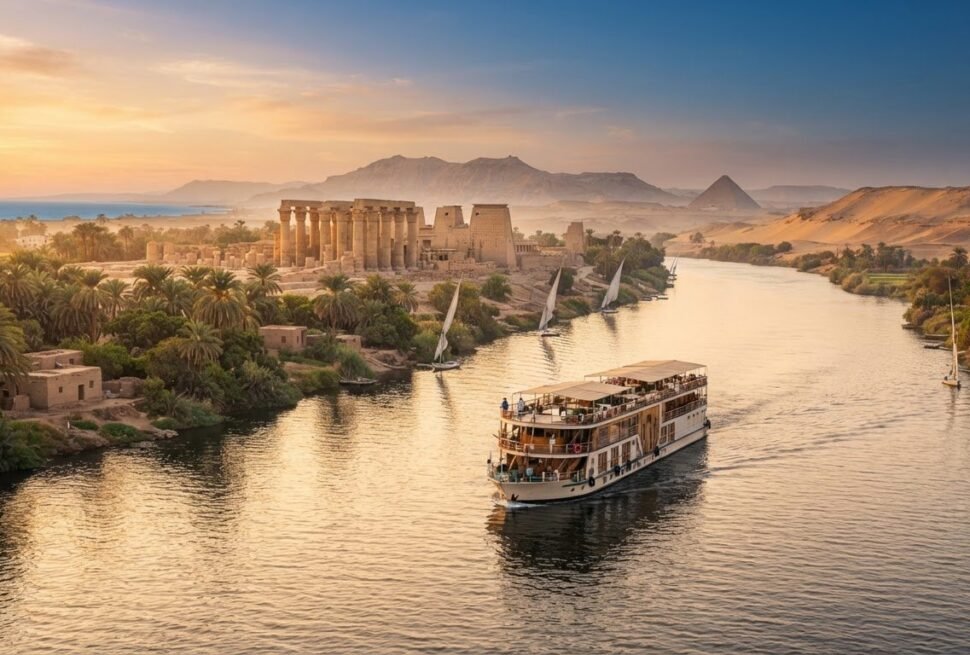
What if the most memorable week in Egypt comes from seeing less, not more? An Egypt itinerary 7 days can easily fill with historic landmarks, ancient temples, and a Nile cruise, but every extra stop adds travel time and can leave little room to take in the places you came to see.
It’s natural to want ancient wonders and time on the Nile in one trip. The key is choosing a route that fits your priorities and pace, whether that means focusing on the country’s major historic sites, heading south, or building your week around a cruise.
This guide compares realistic one-week routes and explains the trade-offs between destination combinations, sightseeing time, and transfers. You’ll also find practical points to organize before your trip, including how guided experiences can add local context to historic highlights. With thoughtful planning, your week can feel rich in discovery without becoming a race from one landmark to the next.
Key Takeaways
- Build your Egypt itinerary 7 days around a clear priority, whether that’s historic landmarks, time on the Nile, or a coastal break.
- Explore an adaptable day-by-day route that gives each day one main sightseeing focus.
- Compare history-focused, multi-stop, and cruise-centered routes to weigh their highlights against the travel pace they require.
- Use a simple planning checklist to organize transport, site priorities, rest time, and current entry information.
- Consider guided experiences from Cairo Trips to add local context to ancient landmarks, historic streets, and cultural sites.
Egypt itinerary 7 days: what a well-paced week can realistically include
A week in Egypt can hold extraordinary moments: ancient monuments, temples, and the Nile unfolding between riverside communities. But each additional destination takes time to reach and explore, so a fuller map doesn’t always make for a richer trip. The first decision is not how many places you can fit in, but which experiences matter most to you.
Think of Egypt as several journeys within one: the energy and layered history of its cities, the monumental sites farther south, a Nile Cruise that combines time on the river with sightseeing, or a coastal finish. Each offers a different rhythm. Combining them is possible, but the more you add, the more carefully you’ll need to plan the transitions.
A balanced one-week itinerary is a route built around deliberate priorities, with travel buffers that leave room to rest and enjoy each place. Arrival and departure times shape how many sightseeing days you actually have. A late arrival may leave little time beyond settling in, while an early departure can make the final day mostly a travel day. Plan around the hours you can use, rather than counting both travel days as full days of exploration.
- Historic landmarks: Make ancient monuments and museums your focus, with time for historic neighborhoods if they interest you.
- Temples and tombs: Choose a smaller number of major ancient sites, or add another stop if the route leaves enough time to explore.
- Nile Cruise: Let the river become part of the experience, connecting time at destinations with a slower passage through the landscape.
- Coastal finish: Add time by the water if it matters most, while allowing for the extra journey and fewer days elsewhere.
Which Egypt highlights fit into one week?
Ancient monuments and museums make natural anchors for a history-focused trip, while temples and royal tombs offer distinct experiences farther south. A cruise can link visits to southern sites with time on the water, rather than making every day feel like a transfer between stops. Choose the places that interest you most, then check whether the travel between them leaves enough time to enjoy each visit.
Why trying to see everything can make the week feel rushed
Adding destinations may mean trading a relaxed visit for an abbreviated one. Transfers, arrival timing, meals, and rest all use real hours, even when they don’t appear as sightseeing entries on a plan. Treat these as part of the itinerary, not as empty gaps to fill. Choose one main theme first, then add an optional stop only if the route still leaves room to experience each place at a comfortable pace.
A balanced 7-day Egypt itinerary: Cairo, Luxor and Aswan day by day
This adaptable Egypt itinerary 7 days sample combines time in a major city with southern destinations, while giving each day a main focus instead of treating every hour as sightseeing time. It isn’t a fixed operating schedule: arrival and departure times, transport options, site hours, and cruise routes can all affect what fits. Check current schedules before settling on travel dates or specific connections.
In brief, the route moves from historic landmarks to ancient sites farther south, then follows the Nile experience toward another destination. That sequence gives you a useful framework, but it’s a full week. If you want more time in any one place, trim a stop rather than trying to preserve every activity.
Days 1 to 3: Cairo, the Pyramids, and Historic Cairo
Keep the opening days flexible. A late arrival or a tiring journey can make a packed first day feel difficult, so leave room to settle in. Then give the major monuments their own day, and set aside a separate priority for a museum. Historic neighborhoods can be a focused third-day experience, with their streets, markets, or historic mosques shaping the visit.
Days 4 to 7: Luxor and Aswan with room for a Nile experience
The shift south is a transition, not a sightseeing day to count on. Choose the mode of transport around current schedules, then allow enough flexibility for the journey and arrival. A Nile Cruise may shape how you move between destinations, as well as which sites fit along the way; route and sailing details vary, so don’t treat this outline as a guaranteed cruise timetable.
- Day 1: Arrive and settle in. Keep plans light and use the day to recover, especially if your arrival leaves limited time for sightseeing.
- Day 2: Explore the major ancient monuments. Make the site visit the central focus, with time to experience it without adding another major excursion.
- Day 3: Choose a history focus. Prioritize a museum, or explore historic landmarks, markets, and religious sites. If several experiences matter, keep expectations realistic and group the day carefully.
- Day 4: Travel to your next destination. Treat this as a transfer day. Verify current transport schedules and leave breathing room for changes or delays.
- Day 5: Visit major ancient sites. Focus on a manageable selection of temples and tombs, arranging the day around current site details.
- Day 6: Begin or continue the Nile experience. Let the cruise route guide the day’s pace, rather than assuming there’s time to add several independent stops.
- Day 7: Spend time at your final destination. Focus on the place and a priority visit, while allowing for your onward travel plans.
This sequence is intentionally a template, not a promise that every cruise lines up neatly with these days. For a gentler week, spend longer in fewer places and leave another destination for a future trip. To add local context to your sightseeing, explore guided experiences in Egypt alongside your own route planning.
Which 7-day Egypt tour route fits you: history, Nile cruise, or Red Sea?
The best route depends on what you want your days to feel like. An Egypt itinerary 7 days can lean into ancient sites, combine city sightseeing with destinations farther south, or make the Nile itself part of the experience. Use this comparison to choose a route that matches your interests and energy, rather than treating every famous destination as essential.
For a history-focused visit, pair major monuments with a museum or historic neighborhoods. Guided tours and local insight can add context to landmarks and historic areas as you decide which experiences matter most.
| Route style | Best suited to | Main trade-off | Planning consideration |
|---|---|---|---|
| City and ancient-site history focus | Travelers who want time for major historic sites with fewer destination changes | Leaves other destinations and a longer Nile experience for another visit | Prioritize key sights, and allow space for the journey between them |
| City, southern sites, and onward travel | Those keen to experience more than one major destination | More movement can mean less time in each place | Keep arrival and departure timing in view when allocating sightseeing days |
| Cruise-centered route | Visitors drawn to the river journey as well as the sites along it | The cruise route shapes where and when you can explore | Check current sailing schedules, route details, and what fits around cruise days |
Choose a history-focused route or a Nile Cruise
A history-focused route suits travelers who would rather explore fewer places with more attention than spend the week changing locations. You can give major landmarks and ancient sites room to breathe. A Nile Cruise offers a different rhythm, with the river linking destination time and a slower passage through the landscape. Its schedule and sightseeing opportunities depend on the current route, so build plans around verified details.
When should you include the Red Sea?
A coastal stay is a distinct priority, not simply another ancient-site stop. Choose it if rest by the water is an important part of your trip; fitting it into one week may mean shortening your time at historic sites or other destinations. Ask yourself which would feel more rewarding: a broader sweep of history, or a quieter finish that gives relaxation more space.
There’s no single winning combination. If the Nile is your central interest, let it shape the route instead of squeezing in a coastal visit as well. If ancient history comes first, focus on fewer destinations or accept a brisker pace to include more. A clear priority makes the trade-offs easier to see, and helps your chosen week feel purposeful rather than packed.

How to make your one week in Egypt run smoothly
A little structure can make a compact trip feel considered rather than hurried. Before finalizing your Egypt itinerary 7 days, sketch the route in order, then mark which days are for arrival, intercity travel, and sightseeing. This simple distinction helps you see how much usable time you have and where a pause might protect the experiences you most want to remember.
Use this pre-trip checklist to give the plan a steady foundation:
- Set the sequence: Arrange destinations in a logical order and check how each move affects the next day’s plans.
- Verify transport: Review current schedules for your chosen travel dates before deciding how to move between destinations.
- Choose site priorities: Mark the visits that matter most, then group nearby sights rather than crossing a destination repeatedly.
- Protect time to rest: Keep space for meals, settling in, and unexpected delays. A lighter day can help preserve energy for a major site visit.
- Review current information: Check site opening details, entry requirements, travel advisories, and any seasonal changes close to departure.
Plan transfers and sightseeing around usable time
On your calendar, label arrival days, inter-destination travel days, and full sightseeing days separately. A travel day may leave time for a gentle evening, but it shouldn’t automatically carry the same expectations as a day spent exploring. Compare transport options using current schedules, and avoid building a visit around an assumed journey time. If connections shift, a little flexibility can keep one delay from reshaping the whole week.
Within each destination, group nearby priorities into one outing where practical. Avoid pairing distant sights simply because they look close together on a map; instead, leave room to pause, eat, and take in the setting. Give your essential experiences first claim on the available time. Optional stops belong in the plan only if they fit without crowding out those priorities.
Prepare for site visits with comfort and context in mind
Check the expected weather for your travel dates and pack comfortable walking footwear and sun protection suited to your plans. For religious and historic places, choose clothing that feels respectful for the setting. Before departure, review current photography rules and site-specific visitor guidance, since expectations can differ from one place to another. A quick check can help you arrive prepared and focus on the experience rather than last-minute questions.
Keep a flexible version of your plan, too. Decide which visit you’d protect if a connection changes, and which optional activity you could release without regret. Thoughtful local context can also make a chosen day feel more meaningful; explore guided experiences in Egypt as you shape the sightseeing part of your route.
Shape your 7-day Egypt trip with Cairo Trips experiences
A thoughtful route doesn’t need to be a single, all-in-one package. You can choose the destinations and pace that suit you, then add guided experiences where local insight would deepen the visit. In a week that combines city sightseeing with time farther south, this approach can help connect landmark days with a clearer sense of the history and traditions around them.
Think about where guidance would be most valuable. Perhaps you want context among ancient monuments, or you’d like to take your trip beyond the capital to other destinations or the coast. A carefully chosen experience can complement your itinerary without requiring you to treat every day as a scheduled tour.
Add local context to Cairo sightseeing
Cairo Highlights brings together the Pyramids, Sphinx, and Egyptian Museum, offering a natural focus for travelers drawn to ancient Egypt. Historic Cairo turns attention to another layer of the city, including Islamic Cairo, Khan el-Khalili, and historic mosques. These experiences suit different interests, and you can decide whether your limited time is best spent with iconic monuments, historic neighborhoods, or both.
With an expert local guide, familiar names and striking architecture can become part of a richer story. Context helps visitors understand what they’re seeing and notice details that might otherwise pass by. If your route leaves room for just one guided visit, let your strongest interest lead: ancient landmarks or historic streets and heritage.
Continue the journey beyond Cairo
For a route that heads farther south, Egypt Beyond Cairo connects your plans with experiences in destinations where ancient sites and the Nile shape a different sense of place. The coast offers another kind of contrast, so it may suit a trip where time by the water matters as much as sightseeing. Choose the addition that supports your trip’s main theme rather than adding destinations simply to make the map fuller.
A Nile Cruise makes the river part of the experience, bringing together travel through the landscape with dinner, music, and food. Its role in your week depends on the route you’ve chosen, so consider how it fits with the places you most want to see and the time available. The aim is to complement your journey, not crowd out the visits that matter most.
Whether your week centers on layered history, ancient sites, or a quieter stretch by the coast, guided experiences can add local perspective to the route you’ve shaped. Explore Cairo Trips experiences and find options that fit the places and pace you have in mind.
Shape a week that feels like your own
Your Egypt itinerary 7 days doesn’t need to include every famous stop to become a meaningful journey. As you turn your preferred route into real plans, choose the moments you most want to carry home, then let those priorities guide the details. A little space between plans can make room for unhurried discovery and unexpected delights.
For added local insight, Cairo Trips’ expert local guides can bring thoughtful context to experiences such as Cairo Highlights and Historic Cairo. If your plans reach beyond the capital, Egypt Beyond Cairo and Nile Cruises offer other ways to connect with the places and experiences that suit your trip.
Let your curiosity set the pace, whether you’re drawn to a deeper look at ancient history or a journey farther along the Nile. Explore Cairo Trips experiences and find inspiration for shaping a week around what matters to you. Your Egypt story can begin with one thoughtful choice.
Frequently Asked Questions
Do I need a visa to visit Egypt?
Visa requirements for an Egypt itinerary 7 days long depend on your passport nationality and travel circumstances, so there isn’t one rule for every visitor. Before departure, consult current official government travel guidance and Egyptian entry sources for the process and documents that apply to you. Check passport validity as well as any transit requirements for countries you’ll pass through; transit rules can differ from Egypt’s entry requirements.
What should I pack for a week in Egypt?
For a week of sightseeing and travel, pack comfortable walking shoes, sun protection, lightweight layers, and clothing suited to the places on your itinerary. Check the forecast close to departure, then consider whether your plans include long outdoor visits, evenings on the move, or time in air-conditioned settings. Site conditions and personal comfort vary, so there’s no single outfit for every stop. Leave a little room for adjustments.
What should I wear when visiting mosques and historic religious sites in Egypt?
Choose respectful, modest clothing when visiting mosques and historic religious sites, and check each site’s visitor guidance before you go. Expectations can differ by place, so don’t assume one dress rule applies everywhere. A light layer can be a flexible option as you move between outdoor sightseeing and indoor spaces. Approaching each visit with consideration makes it easier to focus on the architecture and atmosphere.
Can I use credit cards throughout Egypt?
Don’t assume you can use a credit card everywhere in Egypt; payment options may differ between businesses and destinations. Before leaving, ask your bank about international use and any travel notices for your card, then carry a suitable backup payment method. Review current payment guidance close to departure, especially for planned visits and smaller purchases, so a declined card doesn’t become an avoidable interruption.
Is travel insurance useful for a one-week trip to Egypt?
Travel insurance is a planning consideration, not a guarantee against disruption. Before choosing or relying on a policy, read its medical coverage, trip interruption terms, exclusions, and conditions for activities on your itinerary. For example, if you plan to add an excursion, check whether the policy addresses that type of activity. Your needs depend on your circumstances and the policy wording, so understand the limits before departure.
Can I take photographs at Egypt’s archaeological sites?
Photography rules can vary by archaeological site, exhibit, and equipment, and instructions may change. At each location, read the current notices and follow staff guidance rather than assuming a camera or phone is permitted everywhere. Be considerate of other visitors, and respect rules intended to protect fragile objects and historic spaces. Checking the guidance before taking a picture helps keep the visit comfortable for everyone.