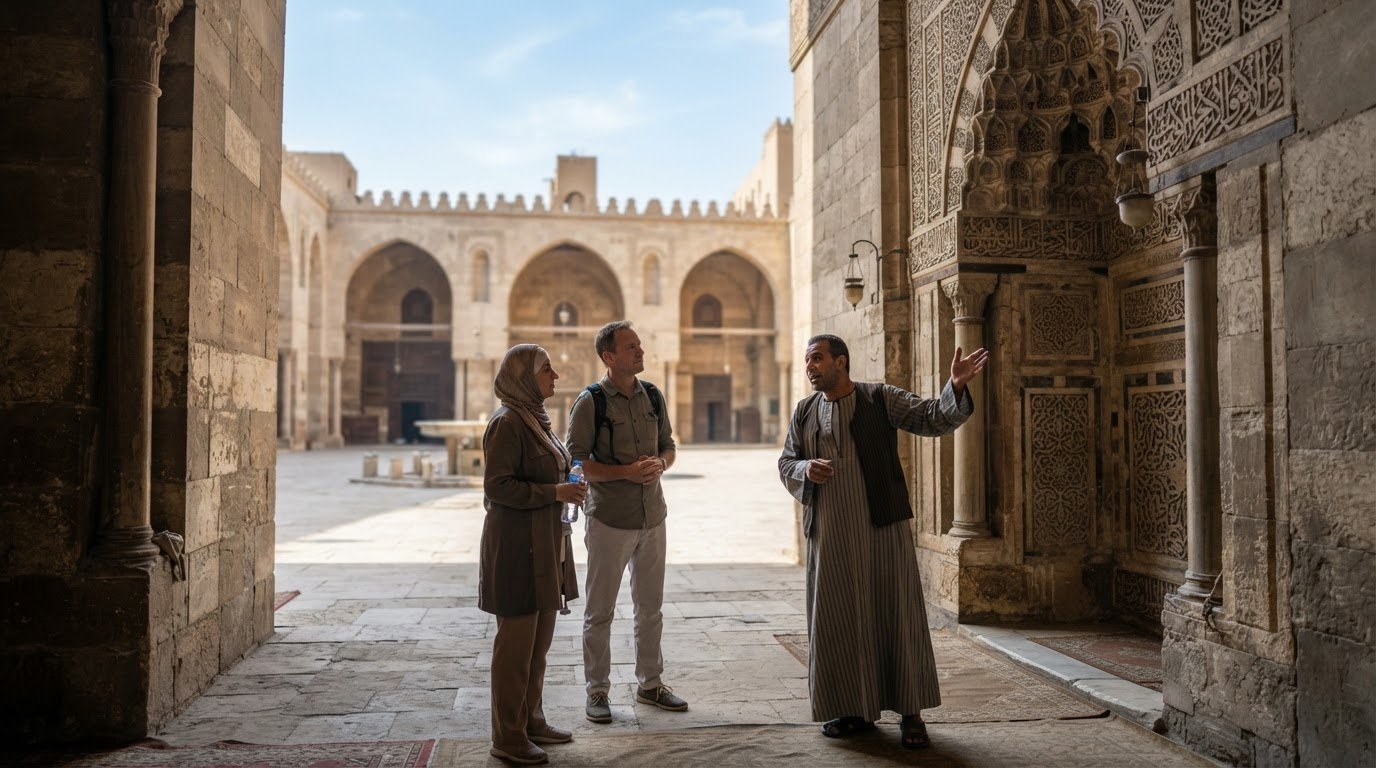
A memorable Egypt itinerary is built around its historic sights, with practical details arranged to support the journey. Guided tours in Egypt can combine visits to the Pyramids and Sphinx, historic Cairo, Luxor, and Aswan with a local guide; some itineraries also include meals, transfers, and overnight stays. What’s included depends on the route and schedule, so these details are best compared rather than assumed.
It’s natural to want the great landmarks without making every day feel rushed. This guide explains what tours may include, how routes connect Egypt’s best-known historic places, and which details to weigh when shaping a trip around your interests. You’ll see how Cairo and Giza, the Nile, Luxor, and Aswan can fit into different itineraries, and how meals, accommodation, transfers, and entrance fees affect the overall plan. With those pieces in view, it’s easier to imagine a journey that balances ancient wonders with a comfortable pace.
Key Takeaways
- Compare what each itinerary includes, from meals and overnight stays to transfers and entrance fees, before choosing a route.
- Plan how Cairo and Giza connect with Luxor, Aswan, and other destinations to make time for the historic sights that matter most to you.
- Shape your itinerary around your interests and preferred pace, balancing landmark visits with time on the Nile or in historic neighborhoods.
- Use the article’s overview of Cairo-focused experiences and journeys beyond the capital to find a natural starting point for planning.
Tour inclusions such as accommodation, meals, transfers, and entrance fees
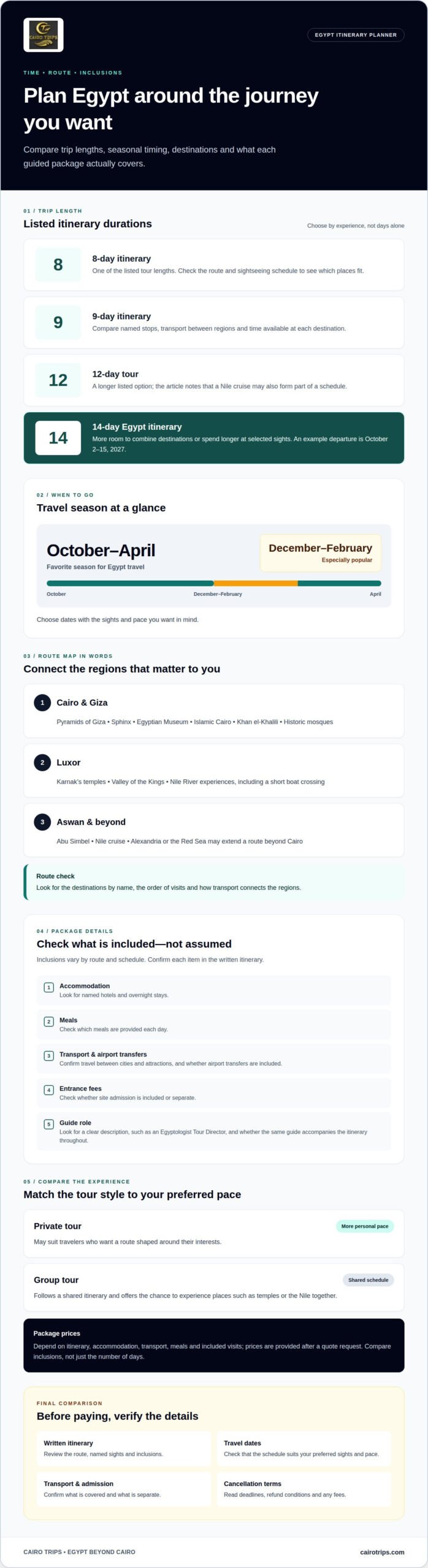
Guided packages can bring Cairo’s Egyptian Museum, Karnak’s temples, and a Nile cruise into one itinerary. The best time to visit is October through April, a favorite season for Egypt travel; December through February is especially popular. Choose dates with the sights and pace you want in mind.
Read the inclusion list as carefully as the sightseeing schedule. Look for named hotels, the meals provided each day, and transport between cities and attractions. Then see whether airport transfers and site entrance fees are included or separate. A visit to Karnak, for example, is easier to plan when the itinerary explains how transport and admission are handled.
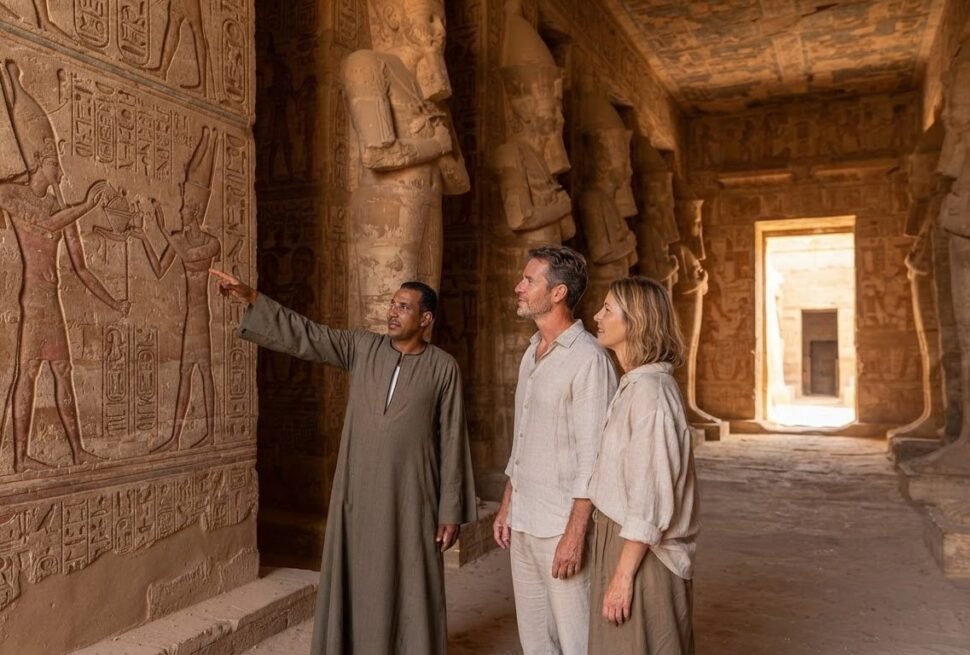
Guided experiences differ in how they share historical context. Look for a clearly described guide role, such as an Egyptologist Tour Director, and check whether the same guide accompanies the itinerary throughout. For the Egyptian Museum and temples linked to the pharaohs, guided interpretation can help connect objects and places to the wider story.
Listed tour durations range from 8-day and 9-day itineraries to a 12-day tour; a Nile cruise may also form part of the schedule. Package prices depend on the itinerary, accommodation, transport, meals, and included visits, and are given after a quote request. Compare the inclusions, not just the number of days.
A private tour may suit travelers who want a route shaped around their interests and a more personal pace. A group tour follows a shared schedule and offers the chance to experience places such as temples or the Nile together. Neither style is automatically better; consider how much flexibility and shared time you prefer.
When comparing guided experiences, look for clear descriptions of the route, the places visited, and the role of the guide. Specific details make it easier to decide whether an itinerary matches your interests and preferred pace.
To book, choose your route and dates, then review the written itinerary and inclusions before paying. Read the cancellation terms for deadlines, refund conditions, and any fees, since these explain what happens if plans change.
Cairo, Giza, Luxor, Aswan, and other itinerary destinations
Egypt itineraries can pair Cairo and Giza’s celebrated monuments with temple landscapes in Luxor and Aswan. Compare the named stops and route between them to see how each journey brings the country’s history into focus.
Cairo and Giza Sightseeing
In Cairo and Giza, look for time at the Pyramids of Giza and the Sphinx, then consider how museums and older neighborhoods complement these ancient landmarks. The Egyptian Museum offers another lens on Egypt’s past, while Islamic Cairo, Khan el-Khalili, and historic mosques bring a different texture to the city. Check which sights are named, rather than relying on a broad promise of “Cairo sightseeing.”
A well-shaped Cairo itinerary makes room for both monumental landmarks and smaller details. Pair the Pyramids and Sphinx with the Egyptian Museum, or explore Historic Cairo’s markets and mosques. This balance brings different threads of the city’s history into view without making every stop feel alike.
Luxor and Aswan Historical Sites
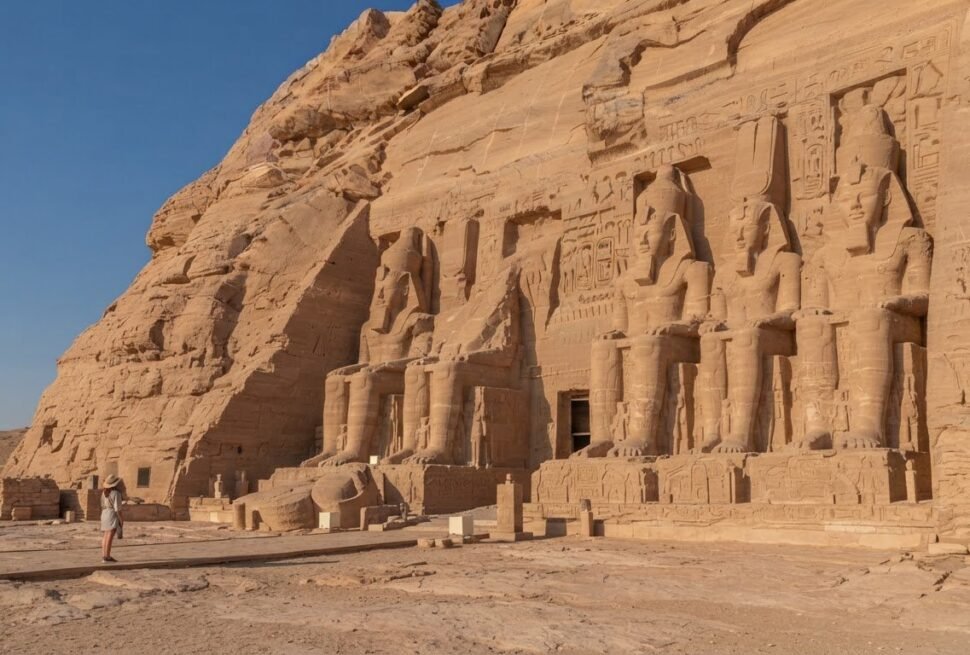
Luxor’s Valley of the Kings and the temples at Karnak offer distinct glimpses into ancient Egyptian history. In Aswan, Abu Simbel adds a monumental temple visit to the southern part of the route. Look at how the itinerary connects these places with time along the Nile River; a river cruise can link scenery and sightseeing, while a short boat crossing in Luxor offers another way to experience the river.
As you compare routes, note whether Luxor and Aswan are both included and which historical sites are specifically named. That detail clarifies whether the journey centers on temples, royal burial places, or a wider mix of experiences.
Itineraries Including Abu Simbel
Some guided itineraries combine Cairo with destinations beyond the capital. To compare them, look for the places named and the order of visits. A route that includes Luxor, Aswan, or the Red Sea extends the journey beyond Cairo, while a Nile cruise adds an experience on the river.
To compare itineraries, look for all four places by name, then trace the order of visits and transport between regions. The sequence matters: it shows how the route moves from Cairo’s museums and pyramids to Luxor’s historic sites and Aswan’s temples. This makes it easier to choose a journey whose historic highlights match your interests.
Customizable itineraries and attractions
A tailored Egypt journey begins with the places you most want to experience. Choose a central destination, such as Cairo, then decide whether Luxor, Aswan, Alexandria, or time along the Nile belongs in the same adventure. This helps turn a list of landmarks into a route with a clear focus.
Next, separate essential visits from optional interests. If ancient architecture is your priority, make Karnak and the Valley of the Kings key stops; if you’re drawn to river scenery, consider a Nile cruise. A listed Cairo and Alexandria itinerary includes a 3-night cruise, showing how a city visit and time on the water can share one trip. Check how each added destination changes the route and the time available at each stop.
Tour durations vary, so match the itinerary length to the experience you want rather than selecting by days alone. Listed tours include 8-day, 9-day, and 12-day options. A 14-day Egypt itinerary gives more room to combine destinations or linger over particular sights. An October 2-15, 2027 departure illustrates that longer format. Use the schedule to see whether travel between regions leaves enough time for meaningful visits.
For a personal plan, write down your priorities in order: must-see sites, preferred travel experiences, and places you’d happily leave for another journey. Then compare itineraries against that list. An optional Nile River hot-air balloon ride or a visit to Edfu and the Temple of Horus could appeal to travelers seeking a distinct marvel; the right choice depends on your interests and available time.
Small details shape the feel of a trip. Consider whether you prefer a full sightseeing schedule or a gentler pace, and whether each destination adds something you want to experience. Traveling beyond Cairo to Luxor or Aswan, for example, shifts the focus from the capital’s landmarks to new places and Nile landscapes. That contrast can make a journey varied without trying to include everything.
Egypt tours and historical highlights
For first-time visitors, a strong route links Cairo and Giza with Luxor and Aswan, adding Abu Simbel for its temples. Compare named sights, destination count, and nights on the itinerary to see how each Egypt tour balances famous landmarks with time to explore.
Historical Highlights on Egypt Tours
Egypt’s ancient wonders tell different stories from one region to another. At Giza, the pyramids reveal the scale of royal monuments; in Luxor, the Valley of the Kings brings visitors closer to the history of pharaohs. Abu Simbel adds monumental temples near Aswan, while Cairo’s Egyptian Museum offers another perspective through its collections.
Look beyond a list of famous stops. Check whether the itinerary connects each landmark to a wider historical theme, such as royal burial traditions or temple architecture. A Nile River cruise can also place these sites within the landscape that shaped travel and settlement along the river.
Tours for First-Time Visitors
First-time visitors can use route length and location count as practical comparison points. Listed options include a 9-day itinerary visiting six locations, a 12-day itinerary covering seven, and a 9-day small-group itinerary with nine locations. These examples show how much a schedule can vary, even when tours share Egypt’s best-known historical destinations.
Choose the route that gives priority to the places you most want to understand. For a first journey, Cairo and Giza introduce major monuments, while Luxor and Aswan add temples and the Valley of the Kings. An itinerary that includes all four regions offers broad coverage; adding Abu Simbel or Alexandria creates another destination to consider against available nights.
Use a simple comparison: mark the must-see sites, note how many locations the itinerary visits, then follow its route between them. If the schedule also includes Jordan, treat Petra as a separate extension; its listed visit involves a 4-mile round-trip walk. That distinction helps keep an Egypt-focused adventure clear while making room for another chapter.
Cairo Trips: Egypt Beyond Cairo
Cairo Trips connects historic landmarks with experiences in Cairo and beyond. Egypt Beyond Cairo offers travel to Luxor, Aswan, and the Red Sea. Nile Cruises bring dinner, music, and food into an evening on the river. Cairo Highlights visits the Pyramids, Sphinx, and Egyptian Museum with an expert local guide, while Historic Cairo explores Islamic Cairo, Khan el-Khalili, and historic mosques.
Choose the experience that fits your priorities: ancient landmarks, an evening on the Nile, or the historic streets and mosques of Cairo. Cairo Trips can help you shape a journey around the places that interest you. Get in touch to discuss your travel plans.
Let your curiosity shape the journey ahead
A meaningful journey begins with a personal point of curiosity: a quiet morning among ancient stones, an afternoon tracing layered city streets, or the changing light along the Nile. Let that image guide your choices. It can help you decide not only where to go, but what kind of attention you want from a guide and how much room to leave for unexpected discoveries. In this way, a trip becomes more than a sequence of famous places; it reflects what you hope to feel and understand in Egypt.
As you refine your plans, use those priorities to shape conversations about guided tours in Egypt. Share which experiences matter most, what pace feels right, and which details will make the journey yours. A thoughtful starting point can bring clarity without taking away the wonder of discovery. Plan your tour with Cairo Trips, and look forward to a journey shaped by your curiosity.
Frequently Asked Questions
How much do guided tours in Egypt cost, including tips and entrance fees?
The total depends on the route, accommodation, transport, meals, and which entrance fees the package covers. Before booking, separate included expenses from costs paid locally, including tips and any admissions listed outside the package. This gives you a clearer comparison between itineraries with different inclusions. Build your budget around the specific places you plan to visit, since a route’s stops and arrangements shape its overall cost.
How long are typical guided tours in Egypt, and what itineraries are available?
Tour lengths vary, with listed itineraries spanning 8, 9, and 12 days. Routes may focus on Cairo and Giza, follow the Nile between Luxor and Aswan, or combine these regions with other destinations. To compare options, mark the cities and historical sites you most want to see, then check how the schedule connects them. A longer itinerary can accommodate a broader route, while a shorter one keeps the focus narrower.
What is included in guided tours in Egypt, such as transportation, meals, and accommodation?
Each experience has its own focus, so read the itinerary rather than assuming every tour covers the same places. Check which destinations and sights are named, and how much of the journey takes place in Cairo or beyond it. For example, a Nile cruise offers a different experience from exploring Historic Cairo or visiting the Pyramids and Sphinx.
Do travelers need a visa or permits for guided tours in Egypt?
Visa requirements depend on your passport nationality, while any site-specific access arrangements depend on the places in your itinerary. Before departure, review current entry guidance from the relevant Egyptian government or consular authority for your nationality. Then compare your tour schedule with the sites you plan to visit, including any access details provided in its itinerary. This helps keep travel-document questions separate from the tour’s sightseeing arrangements.
Is it safe to take guided tours in Egypt, and what precautions should travelers take?
Plan practical details into each sightseeing day: keep your guide’s contact details accessible, stay with your group in busy areas, and follow instructions at monuments and museums. Read the itinerary to understand the day’s activities and bring items suited to them. For example, exploring outdoor landmarks differs from an evening Nile cruise. Follow current travel guidance for your destination.
Should I choose a private guide or a group tour in Egypt?
Choose a private guide if you value a personal pace and want to focus closely on particular interests, such as Egypt’s history. A group tour may suit you better if you enjoy shared sightseeing and a set schedule. Compare the route, the places visited, and how much flexibility the experience allows. The best fit is the one that matches how you like to explore and learn.


[…] river travel between key sights. Match the journey to your interests and preferred pace. Explore guided tours in Egypt with stays, meals, and transfers to compare how those practical details can fit into a […]